Reading & learning
Building a Reading Habit, One Story at a Time
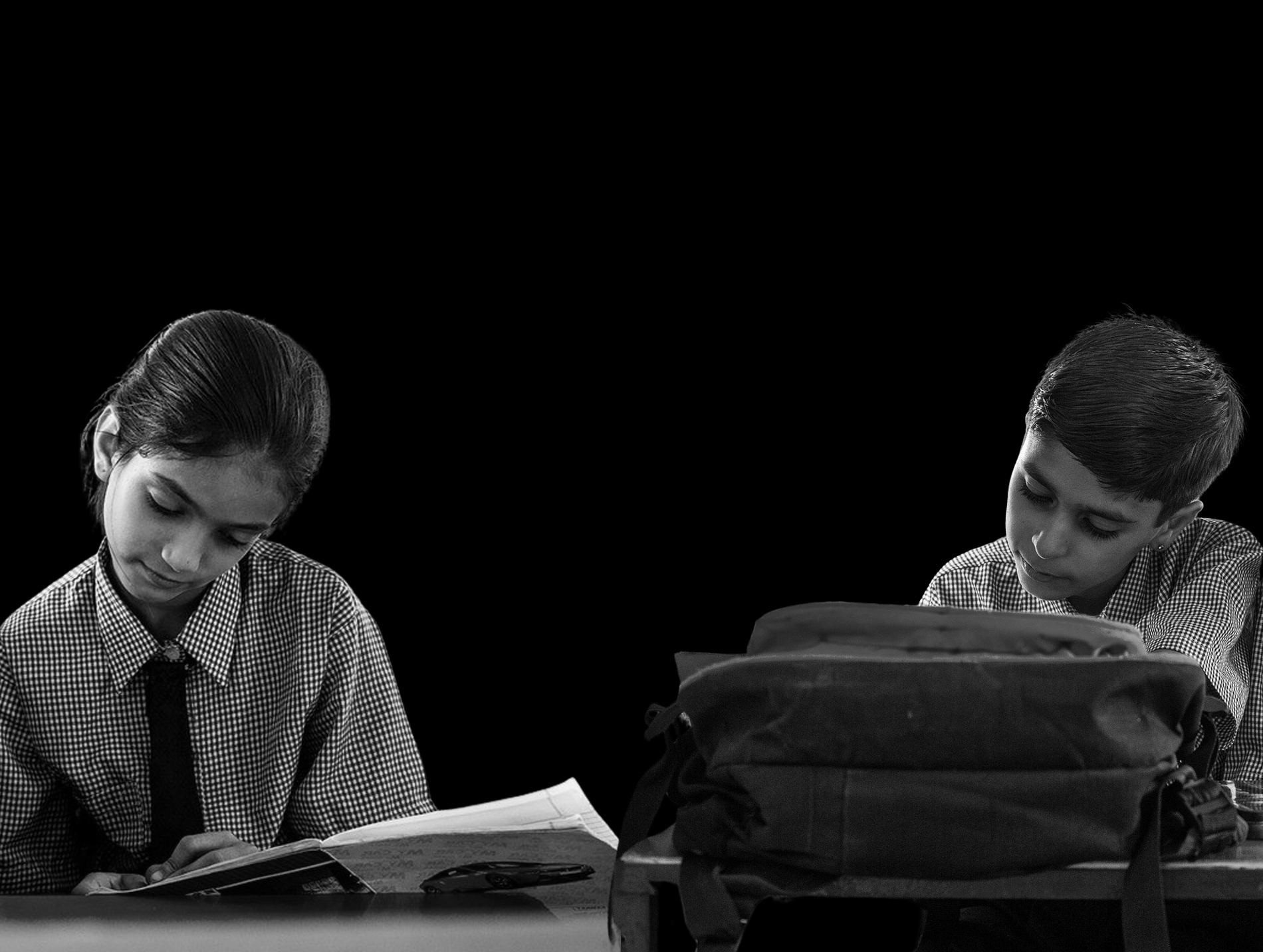
For a child, reading does not have to begin with a long book or a perfect performance. It can begin with a picture, a familiar character, or a question about what happens next. The aim is to make reading a welcoming part of everyday life—not a race to finish pages.
Begin with the child's interests
Ask what the child enjoys: animals, games, friendship, adventures, or stories about their own community. Offer a small choice of books rather than choosing everything for them. A comic, illustrated story, poem, or short factual text can all be starting points.
Let children read in a language they understand and feel comfortable using. A Tamil story shared at home is a meaningful reading experience, just as an English story is. When meeting an unfamiliar word, talk about its meaning in context instead of interrupting every sentence with a correction.
Make a small, repeatable space for reading
Choose a moment that fits the household or school day: after a snack, during a quiet classroom period, or before bed. Begin with a short passage and allow the routine to grow naturally. A comfortable place and a book within reach matter more than an elaborate reading corner.
If books are limited, ask about borrowing from a school or local library, or arrange a book exchange with another family. Return to favourite stories too. Familiarity gives children a chance to notice details, try reading aloud, and enjoy a story without the pressure of something entirely new.
Read together without turning it into a test
An adult can read aloud while the child follows the pictures or words. Take turns if the child wants to, and pause when they have a question. Children who are still learning to read can participate by describing an illustration or guessing what a character might do.
Afterwards, invite a conversation: ‘Which part stayed with you?’ or ‘Would you have made the same choice?’ There is no need for a worksheet after every story. Sharing an opinion, retelling a favourite scene, or drawing a character can be enough.
Notice effort, not just finished books
Recognise a child's willingness to try a difficult word, ask for help, or return to a story. Avoid comparing reading speed with classmates or siblings. If reading feels frustrating, choose an easier text, read together, or take a break rather than insisting on finishing.
When a child repeatedly struggles to recognise words or understand a passage, speak with their teacher about appropriate support. A home routine should complement that support, not replace it or make the child feel responsible for solving the difficulty alone.
Try one story this week
Let the child choose a short story, find a calm moment to share it, and ask one genuine question afterwards. Keep the next invitation simple: ‘Shall we read again tomorrow?’ A reading habit is built through these ordinary, welcoming moments.